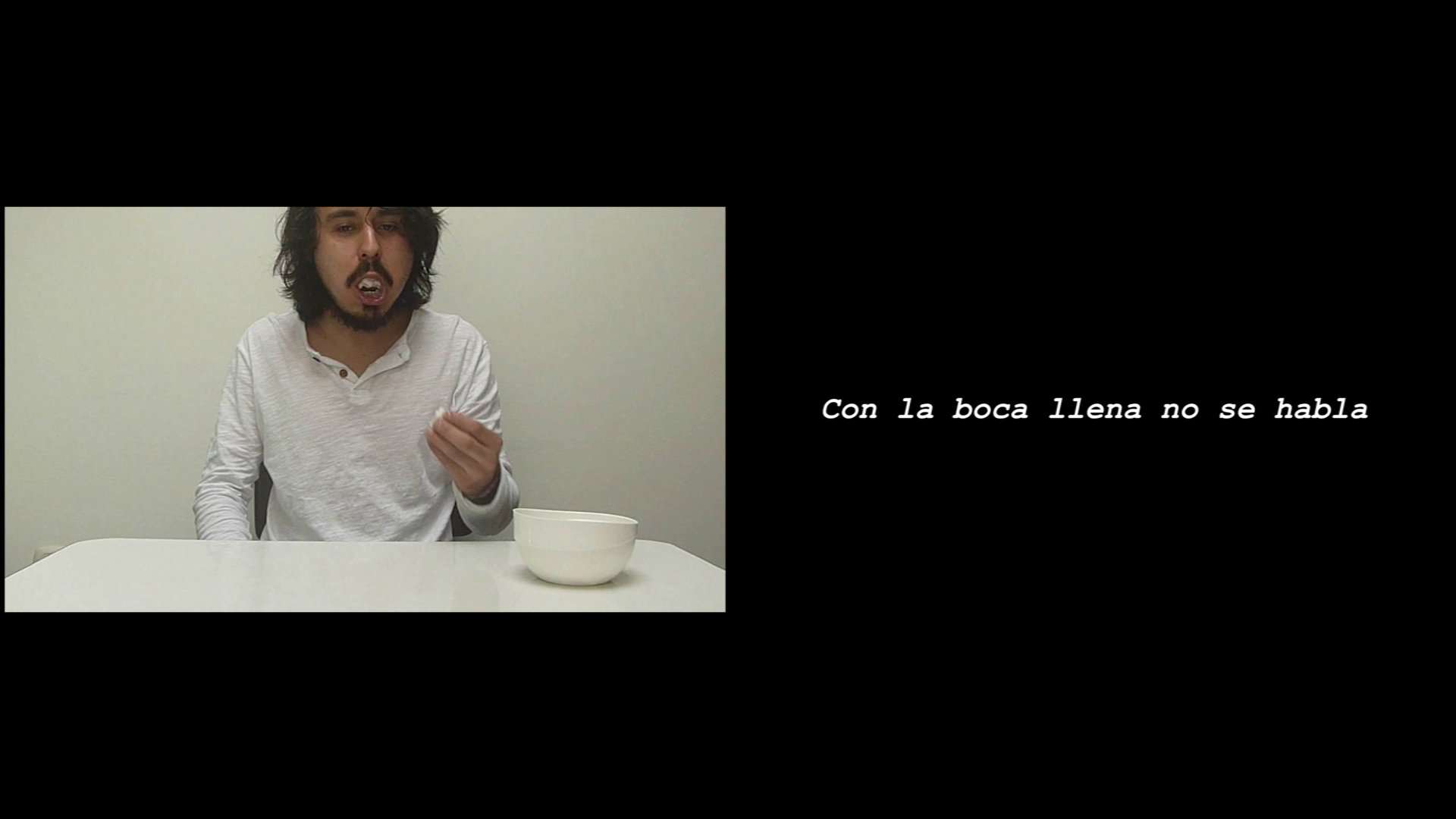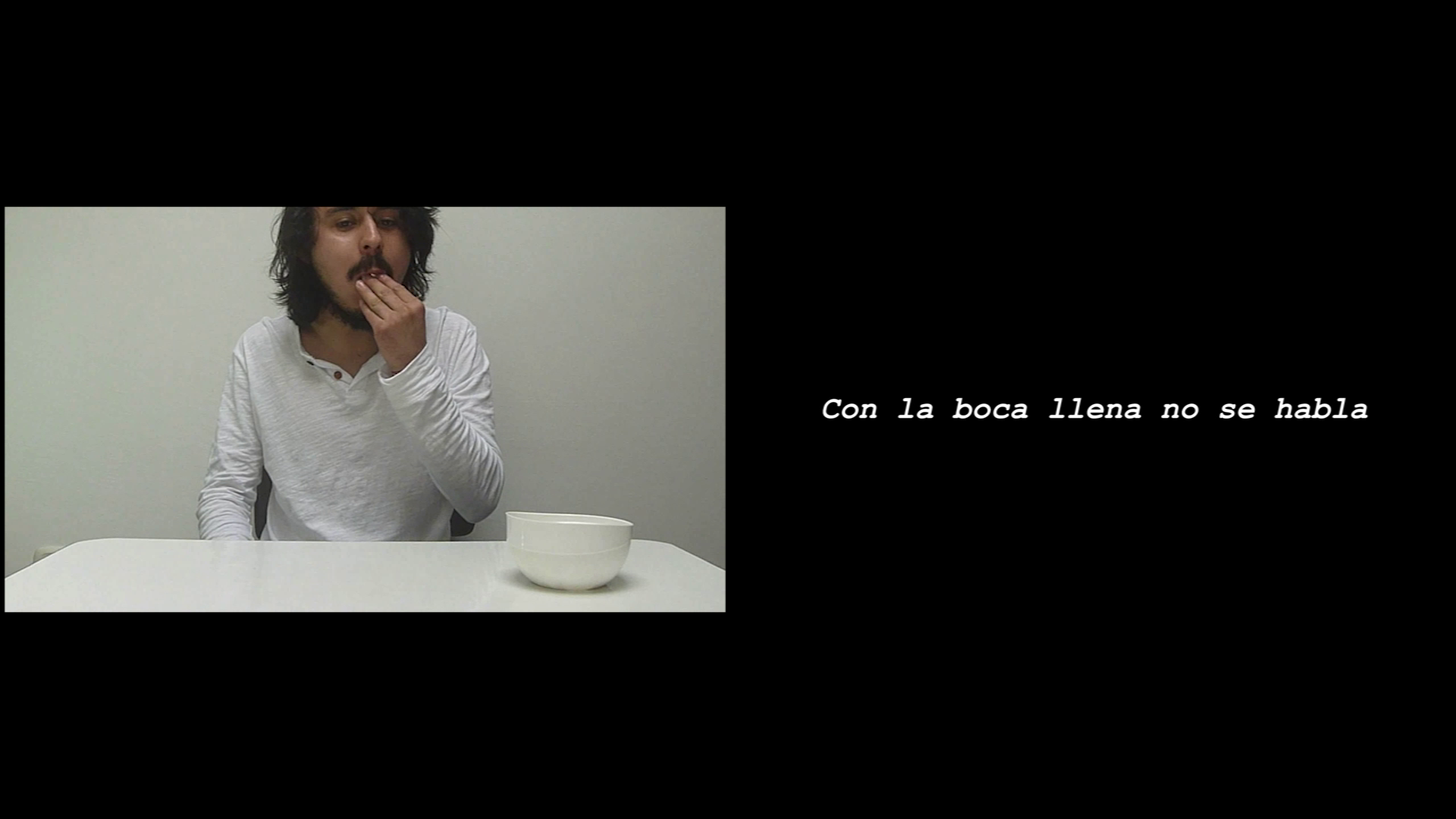
With a full mouth, one does not speak
Video 6 min 56 s
Video 17 s
2017
11. Thirty spokes meet in a hub. But their usefulness also depends on the empty space between them. Clay vessels are made. But their usefulness depends on the empty space within them. Walls, doors, and windows are made in a house. But its usefulness also depends on the empty space within it. Thus, the usefulness of objects is tied to empty space.
Tao Te Ching – Lao-Tse
The concept of empty space aims to highlight those intervals apparently devoid of form which, precisely because of their condition, contain the possibility of all forms. From this idea, a reflection is built on the importance of certain spaces whose function depends on their emptiness, and on the necessary conditions for them to be activated. Emptiness ceases to be understood as an absence and becomes a creative possibility: a place where new relationships, actions, and meanings become possible. Thinking about space from this perspective opens up the possibility of imagining and producing new places of a cultural, social, or political nature.
The project proposes a series of actions that seek to make emptiness visible—not as what is missing, but as what enables the existence and functioning of a body, an object, or an action. Each exercise shifts attention toward those intervals that, although they usually go unnoticed, sustain physical, symbolic, and functional relationships. By intervening in them, occupying them, or making them evident, their capacity to produce meaning is revealed.
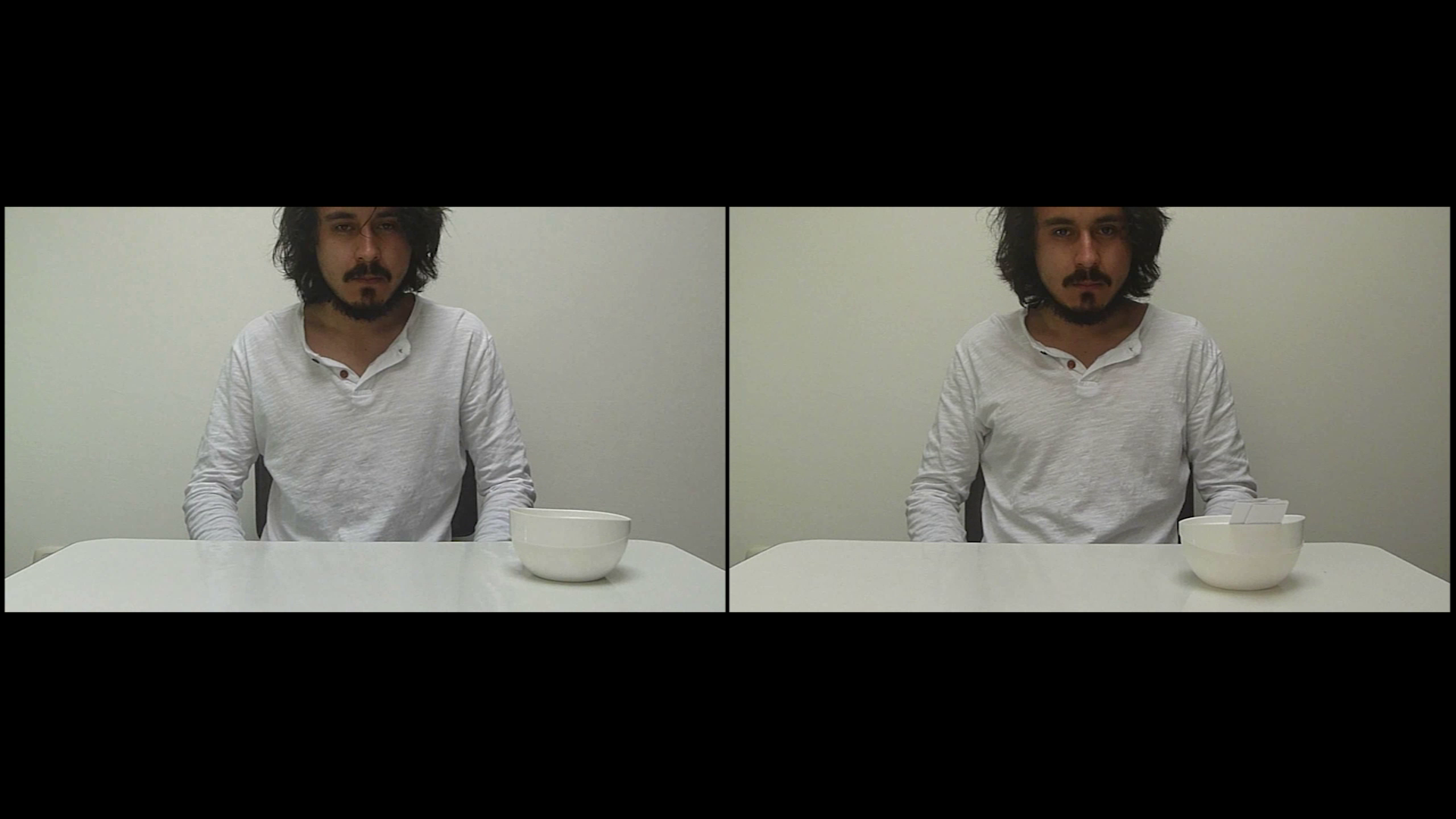
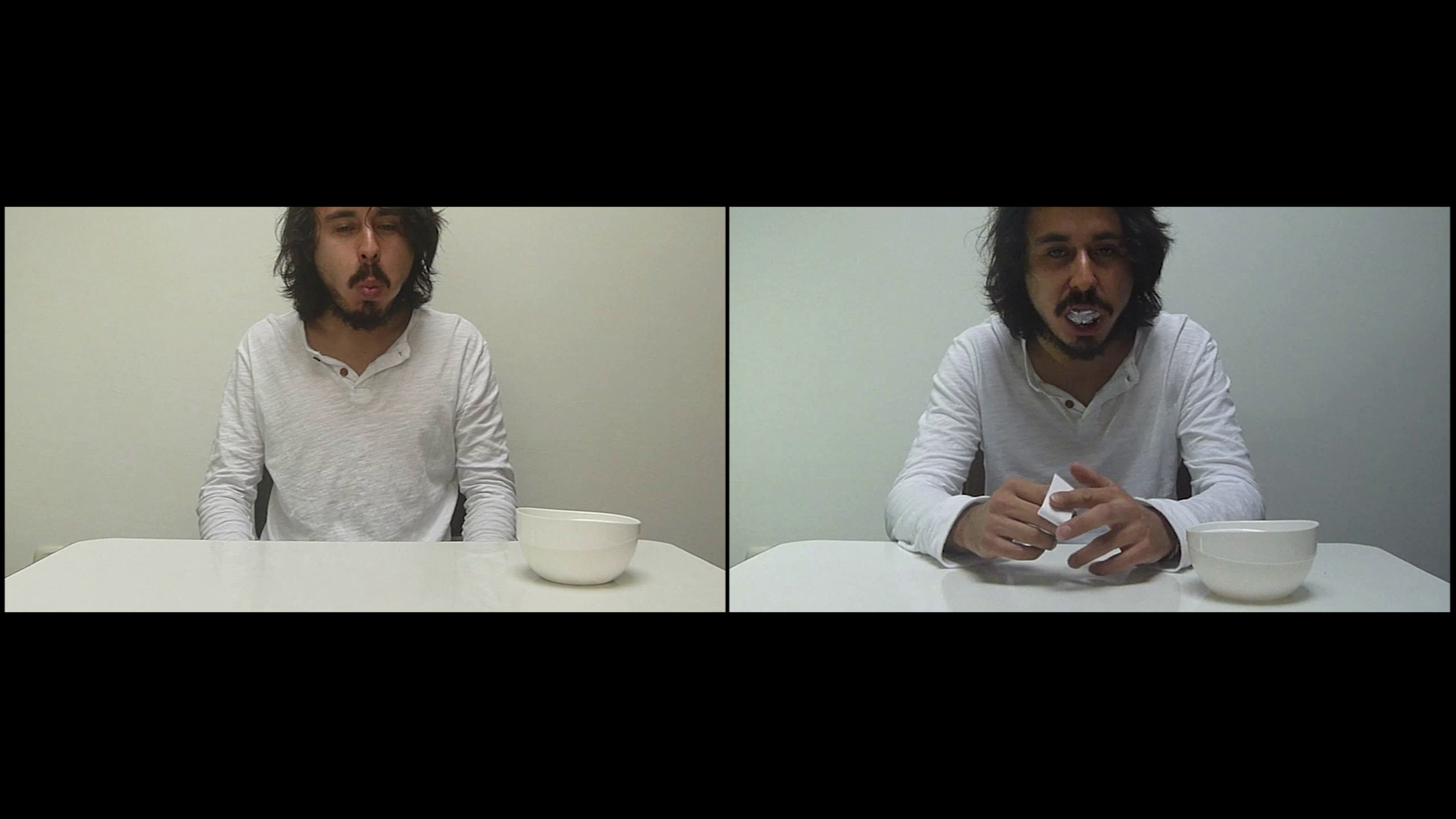
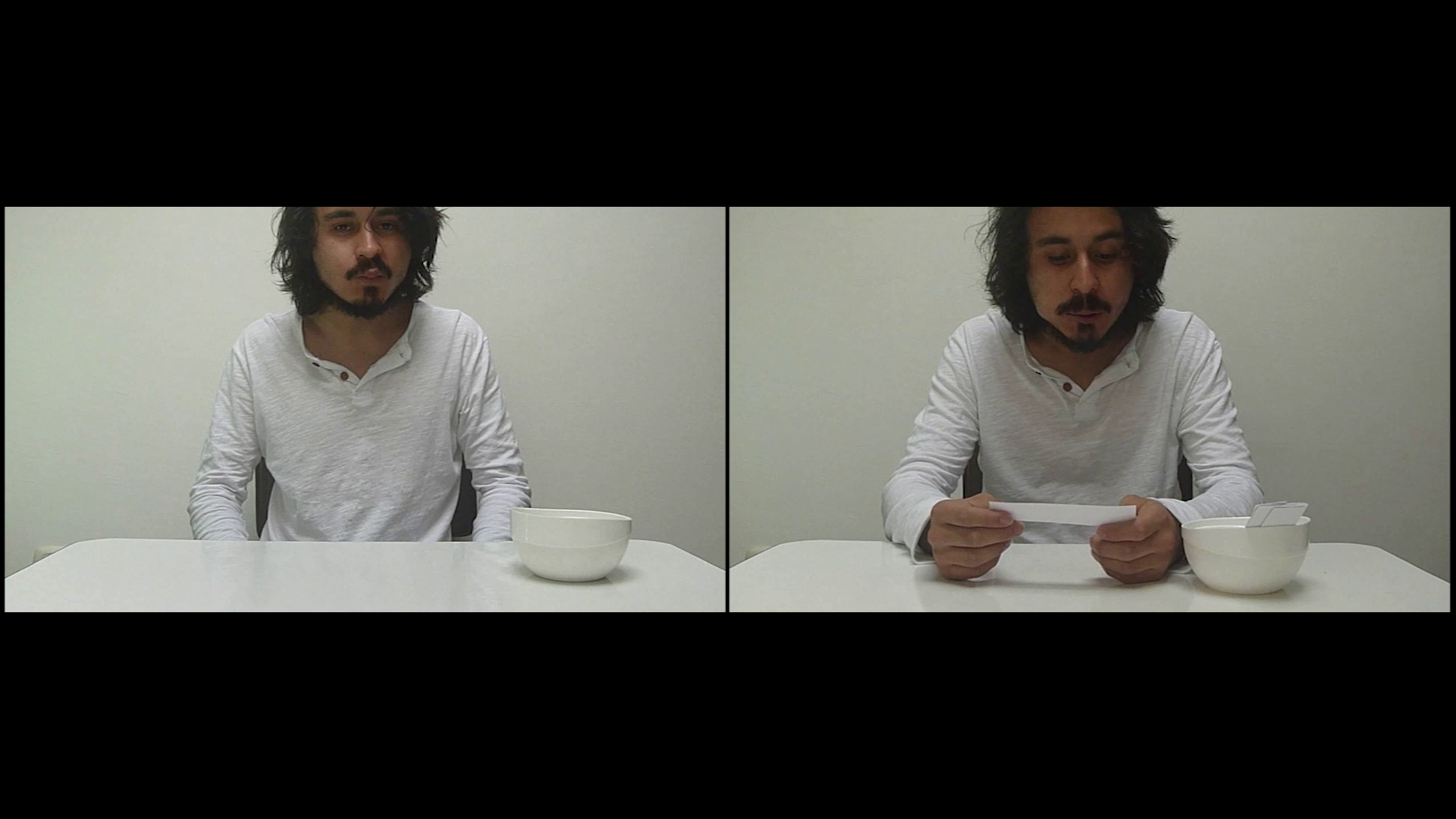
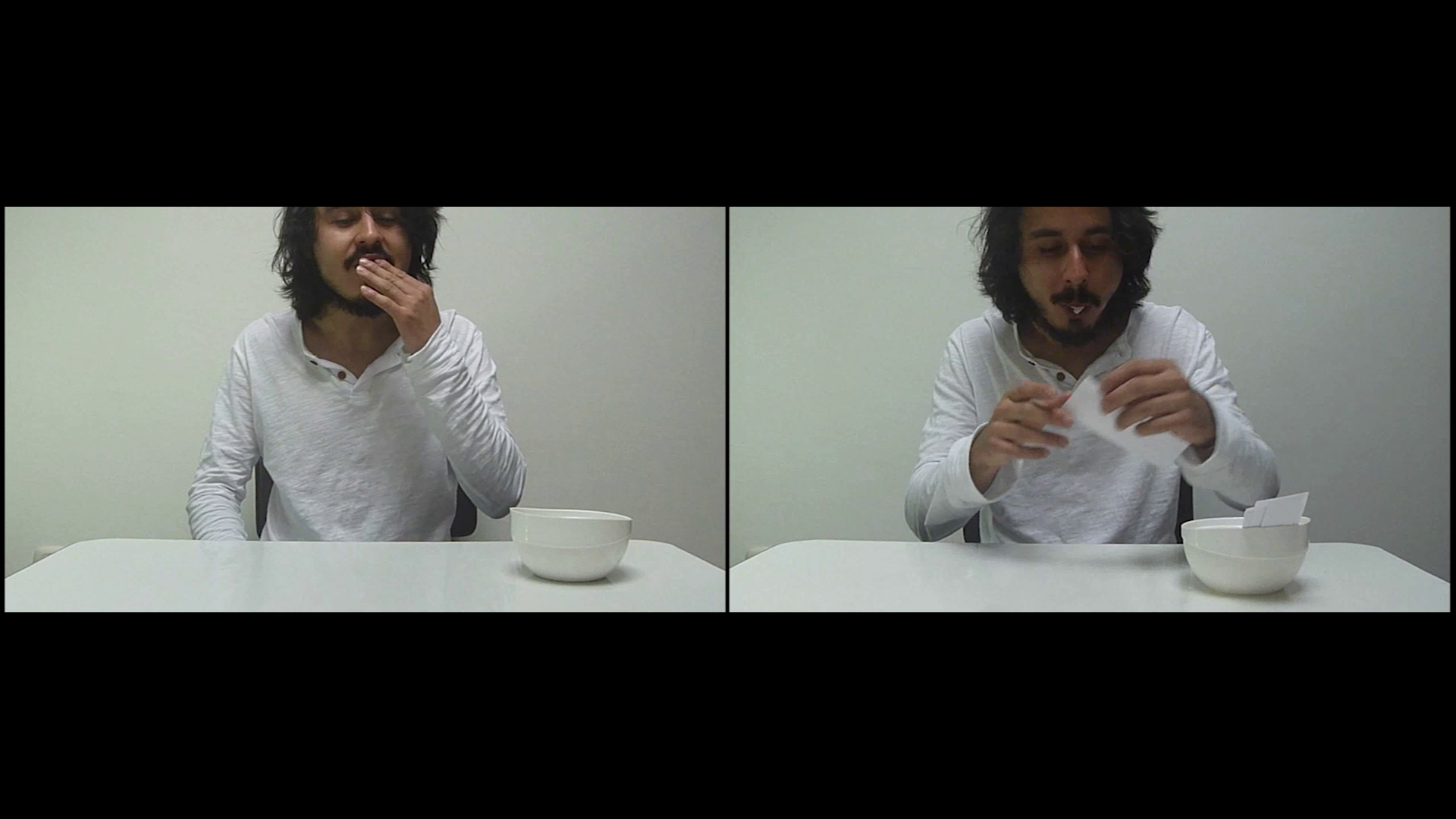
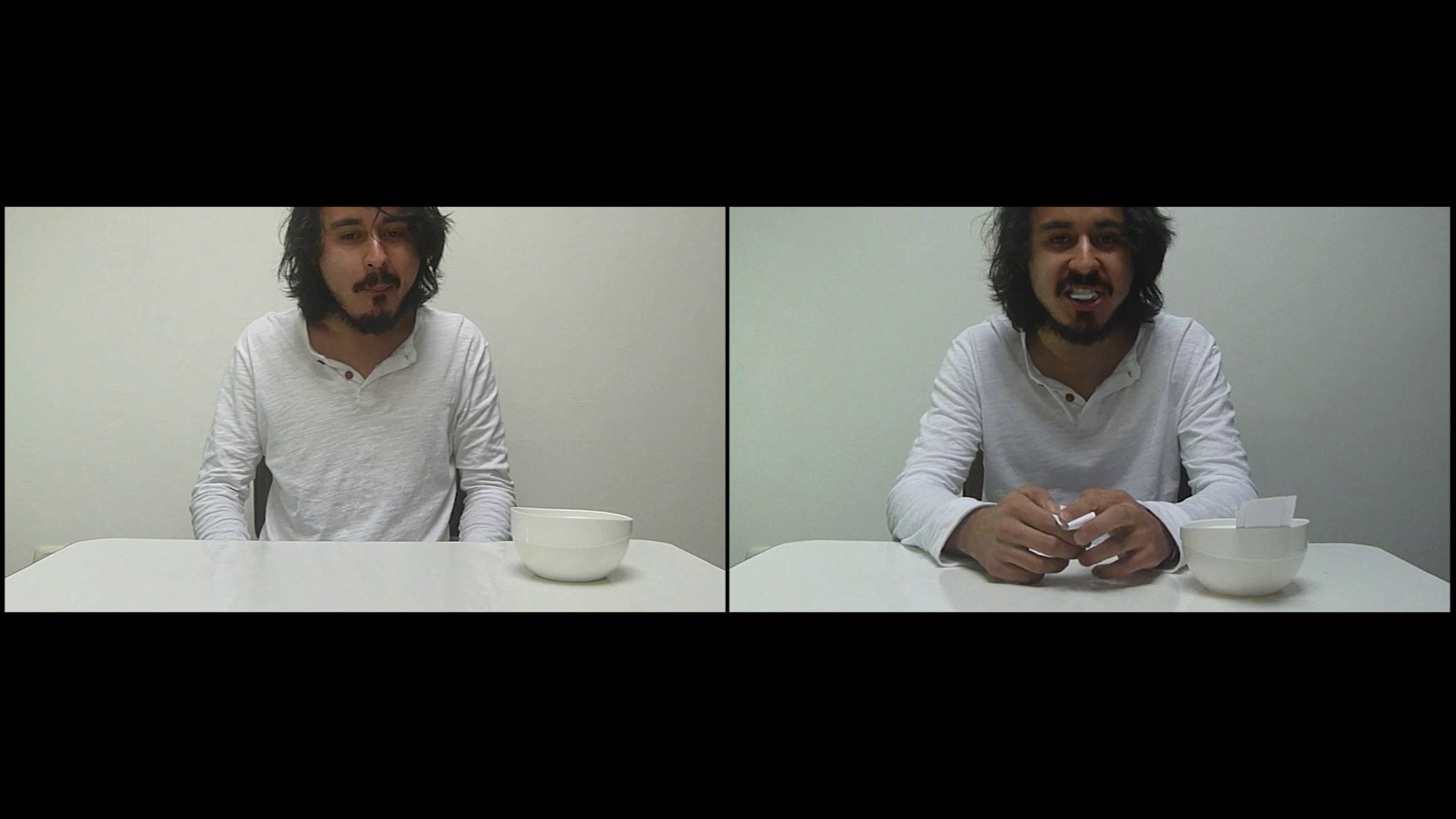
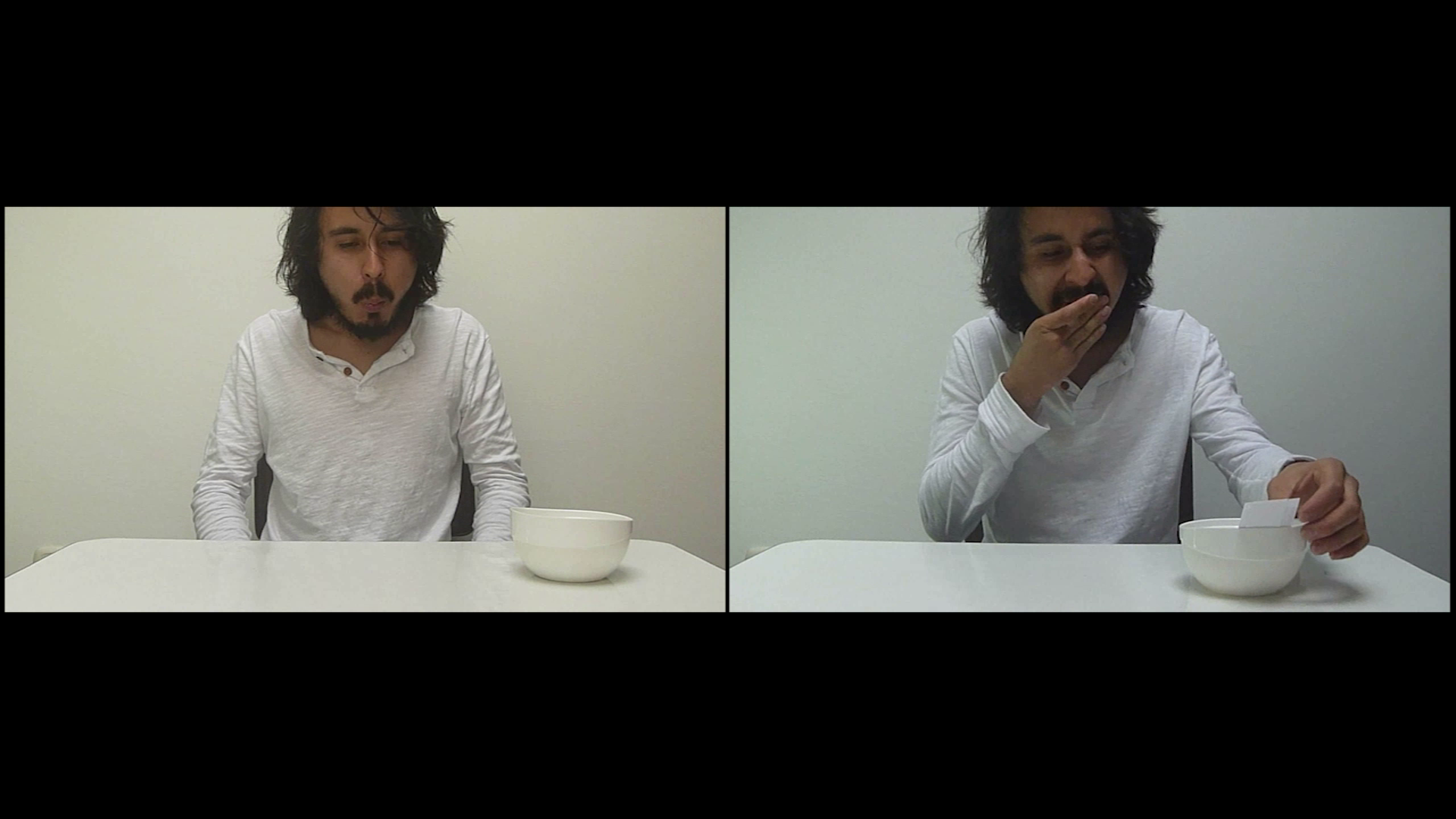
The first action, With a full mouth, one does not speak, transfers this reflection to the body itself. The mouth appears simultaneously as a cavity intended for the intake of food and as a space for phonetic production. Both functions depend on the same condition: the existence of a free space. During the action, I chew chewing gum while repeatedly pronouncing the word «chicle» [chewing gum]. As time passes, I incorporate new pieces of gum until the accumulation progressively hinders the articulation of language. In a second phase, I read fragments of paper containing phrases related to linguistics and, once read, I place them in my mouth and chew them. In both cases, the matter gradually occupies the space intended for speech until clear pronunciation becomes impossible. The action demonstrates how the occupation of emptiness transforms and limits a function that normally depends on it.
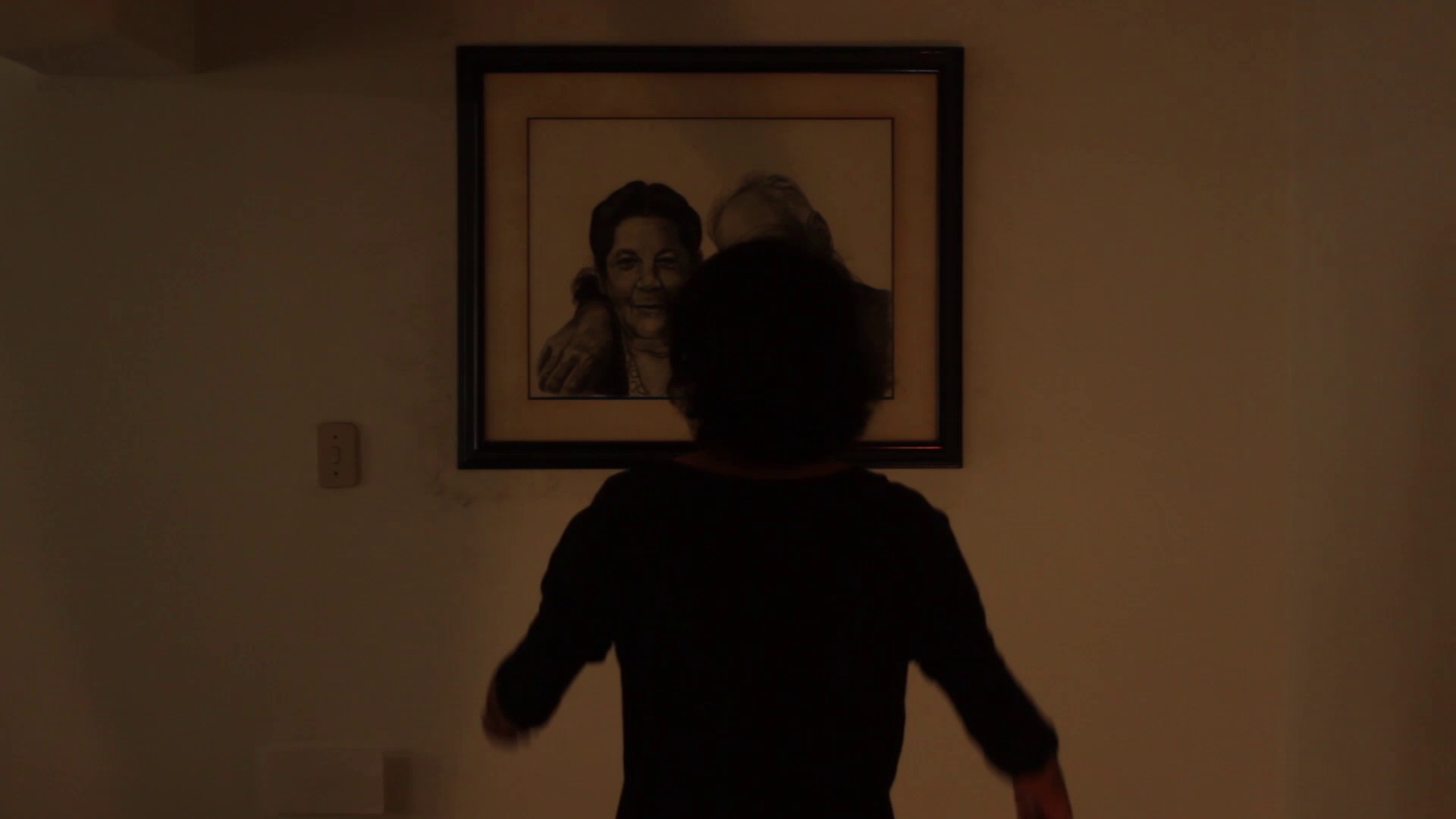
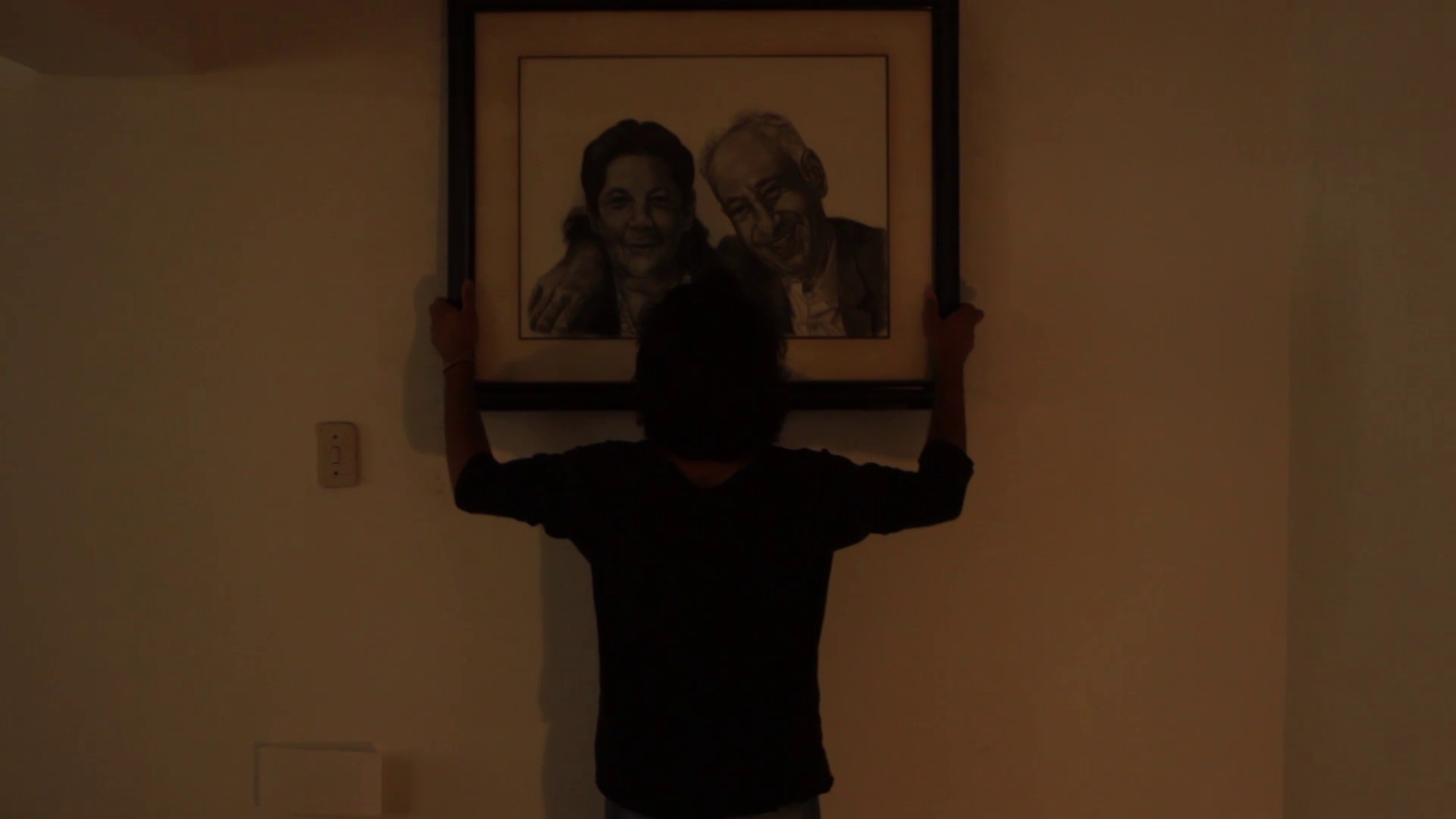
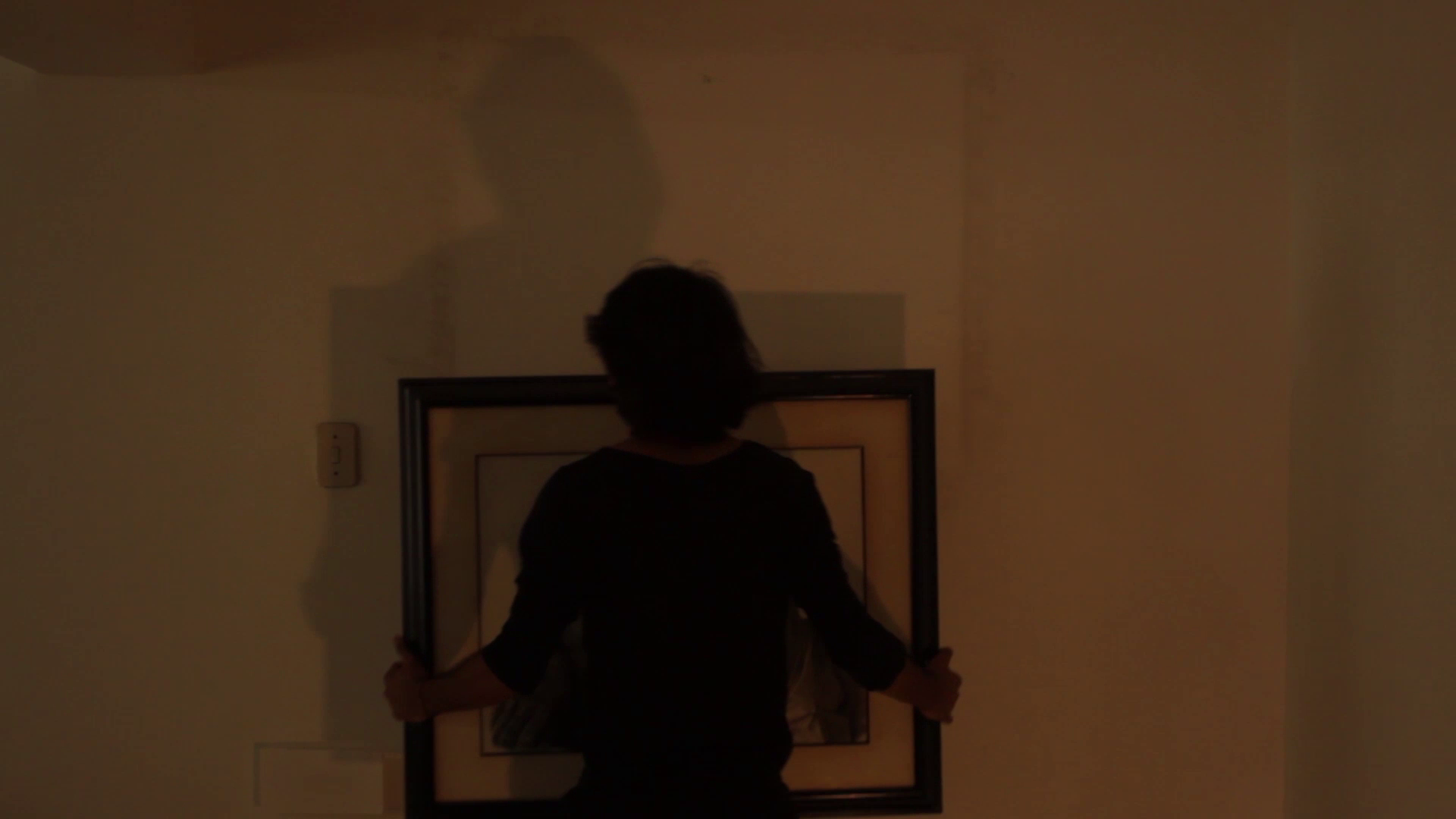
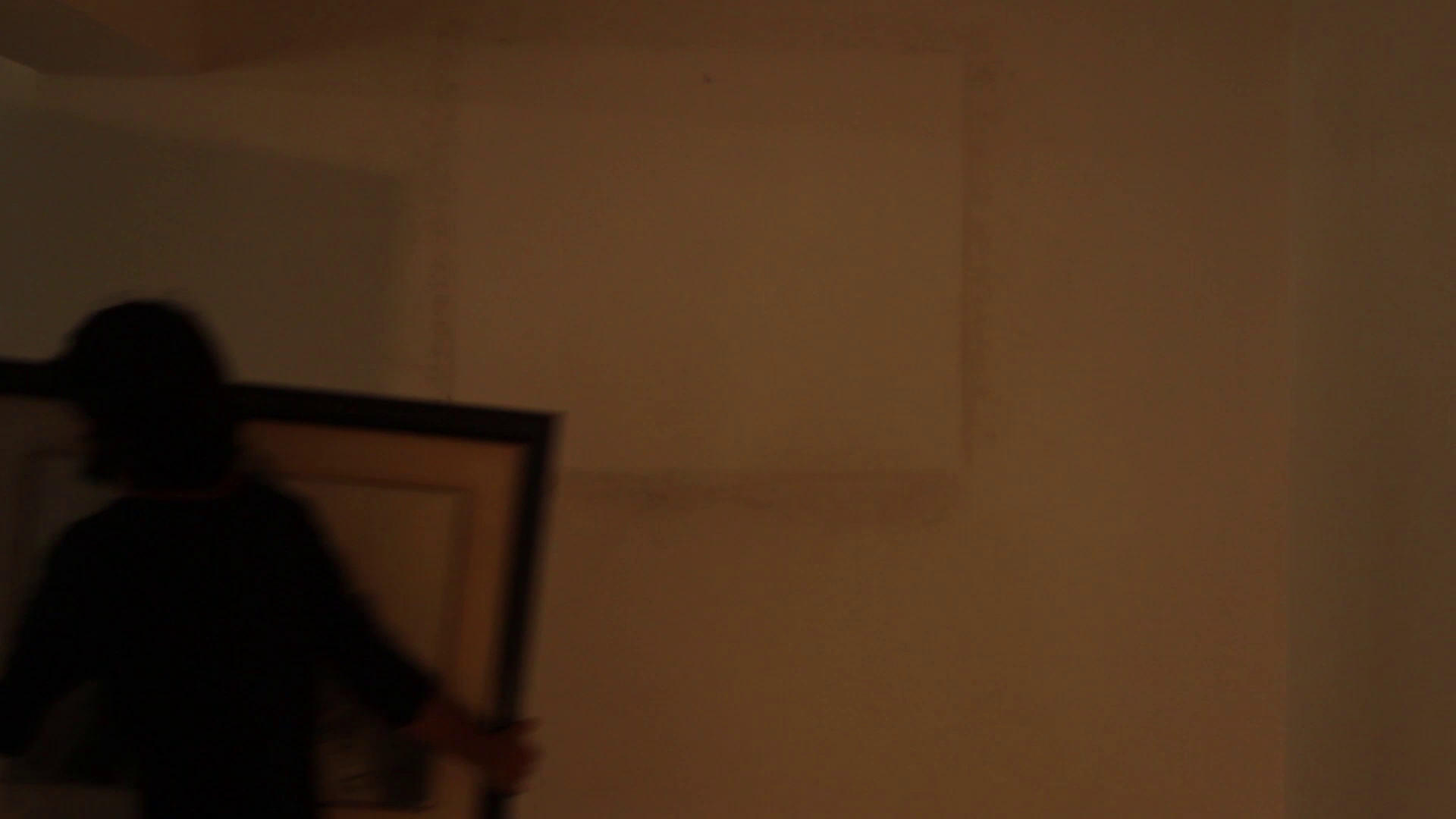
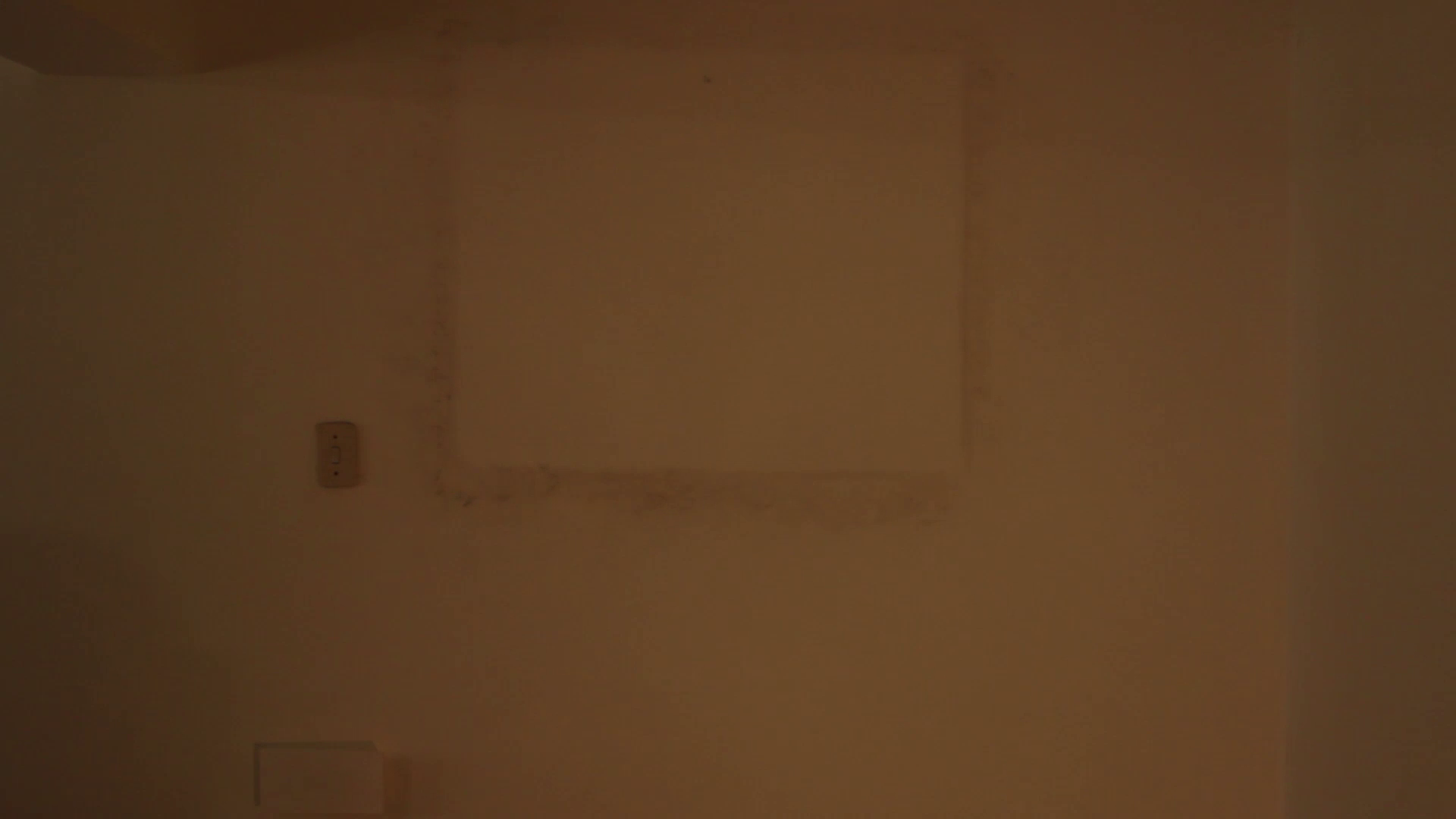
The second action shifts the reflection toward architectural space. It consists of entering a room, removing a painting from the wall, and leaving the scene with it. The gesture, seemingly simple, exposes the silhouette that the painting was hiding: a void that only becomes visible when the object disappears. The absence of the painting does not merely constitute a lack; it highlights a space that was always there, defined by the presence of the object and by the memory it leaves on the wall. The emptiness then appears as an active form, capable of revealing the relationships between the object, the place, and the observer.
The project proposes to understand empty space not as a deficiency, but as an active structure that sustains processes of creation, communication, and relationship. By making the loss of that interval visible, the actions reveal that what we usually consider «emptiness» is, in reality, the necessary support for the body, language, objects, and thought to produce meaning.